Thursday, 8 August 2024

Thrilling Himalayan Adventures: Island Peak, Mera Peak, and Lobuche Peak Climbing

The Himalayas are a magnet for adventurers and climbers seeking to test their limits against some of the world's highest and most beautiful peaks. Among the myriad of trekking and climbing opportunities, Island Peak Climbing, Mera Peak Climbing, and Lobuche Peak Climbing stand out for their accessibility and exhilarating experiences. These climbs offer both novice and experienced mountaineers a chance to immerse themselves in the stunning landscapes and rich culture of Nepal.
Island Peak Climbing

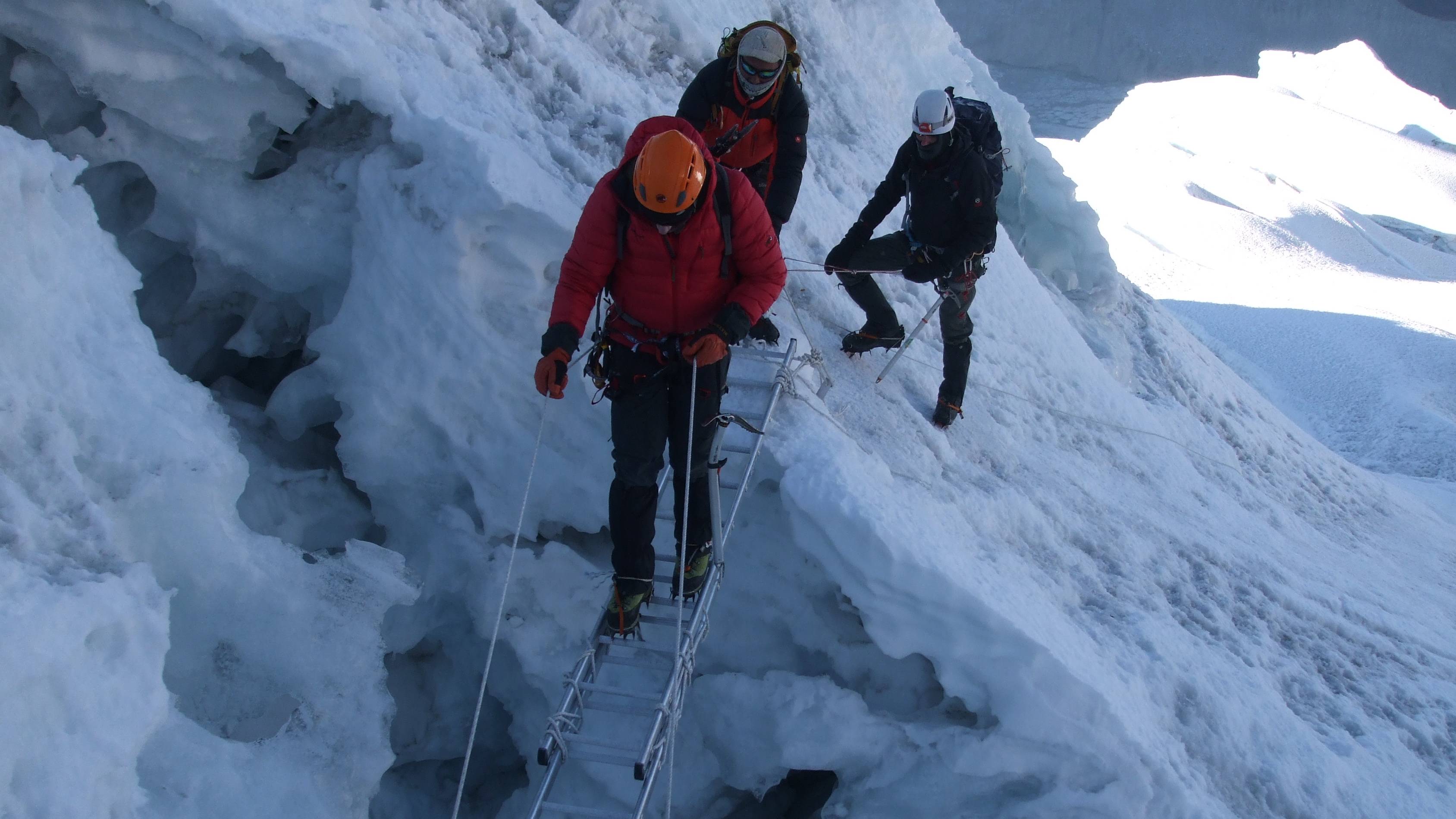
Island Peak, known locally as Imja Tse, stands at 6,189 meters and is one of the most popular trekking peaks in the Everest region. Island Peak Climbing is an excellent introduction to Himalayan climbing, offering a blend of trekking and basic mountaineering. The journey begins in Lukla, following the famous Everest Base Camp trail through vibrant Sherpa villages and lush valleys. The climb itself involves navigating glaciers and using fixed ropes to ascend the final steep headwall. Despite being a relatively straightforward climb, the summit offers spectacular views of Lhotse, Nuptse, and Ama Dablam. Island Peak Climbing is perfect for those looking to gain high-altitude experience while enjoying the breathtaking scenery of the Khumbu region.
Mera Peak Climbing

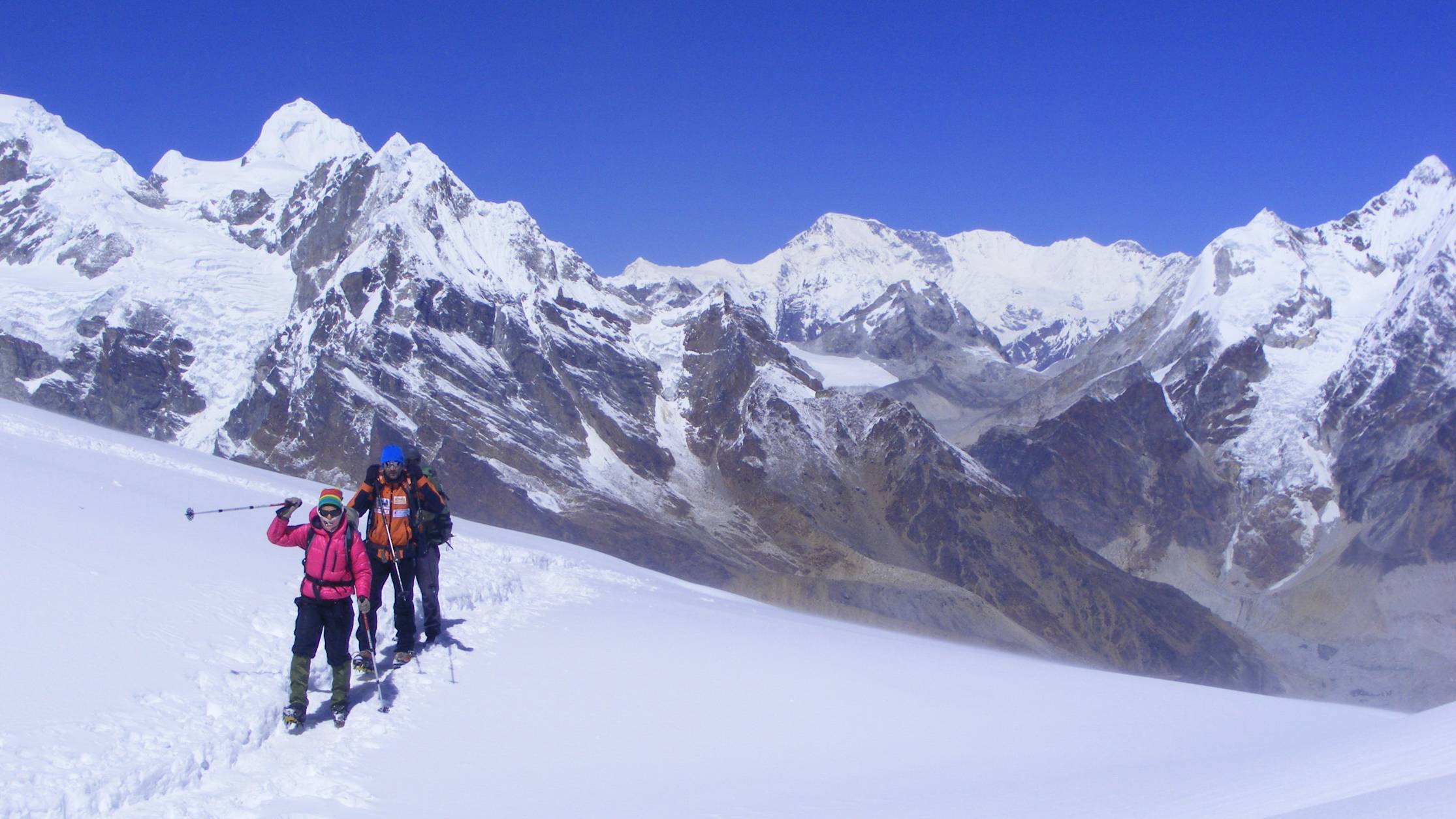
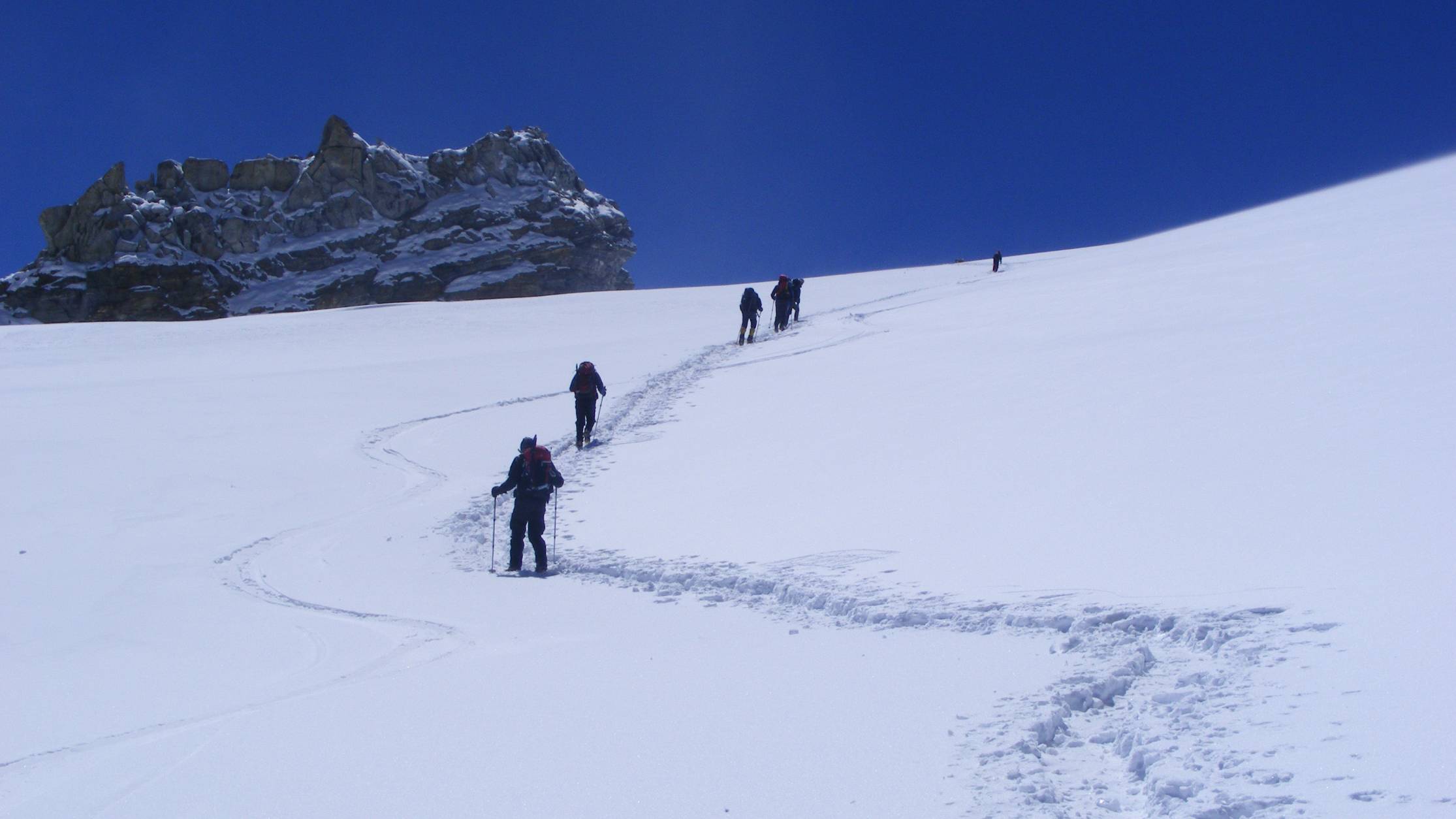
Mera Peak, at 6,476 meters, is the highest trekking peak in Nepal and offers a more remote and less crowded experience compared to Island Peak. Mera Peak Climbing is ideal for trekkers seeking an adventure off the beaten path. The expedition starts with a scenic flight to Lukla, followed by a trek through the pristine Hinku Valley. The climb is non-technical but requires good physical fitness due to its high altitude. The ascent involves crossing crevassed glaciers and using crampons and ice axes. Reaching the summit of Mera Peak provides a rewarding panorama of five of the world's highest mountains: Everest, Lhotse, Makalu, Cho Oyu, and Kangchenjunga. Mera Peak Climbing is a challenging yet rewarding expedition for those seeking solitude and spectacular mountain vistas.
Lobuche Peak Climbing

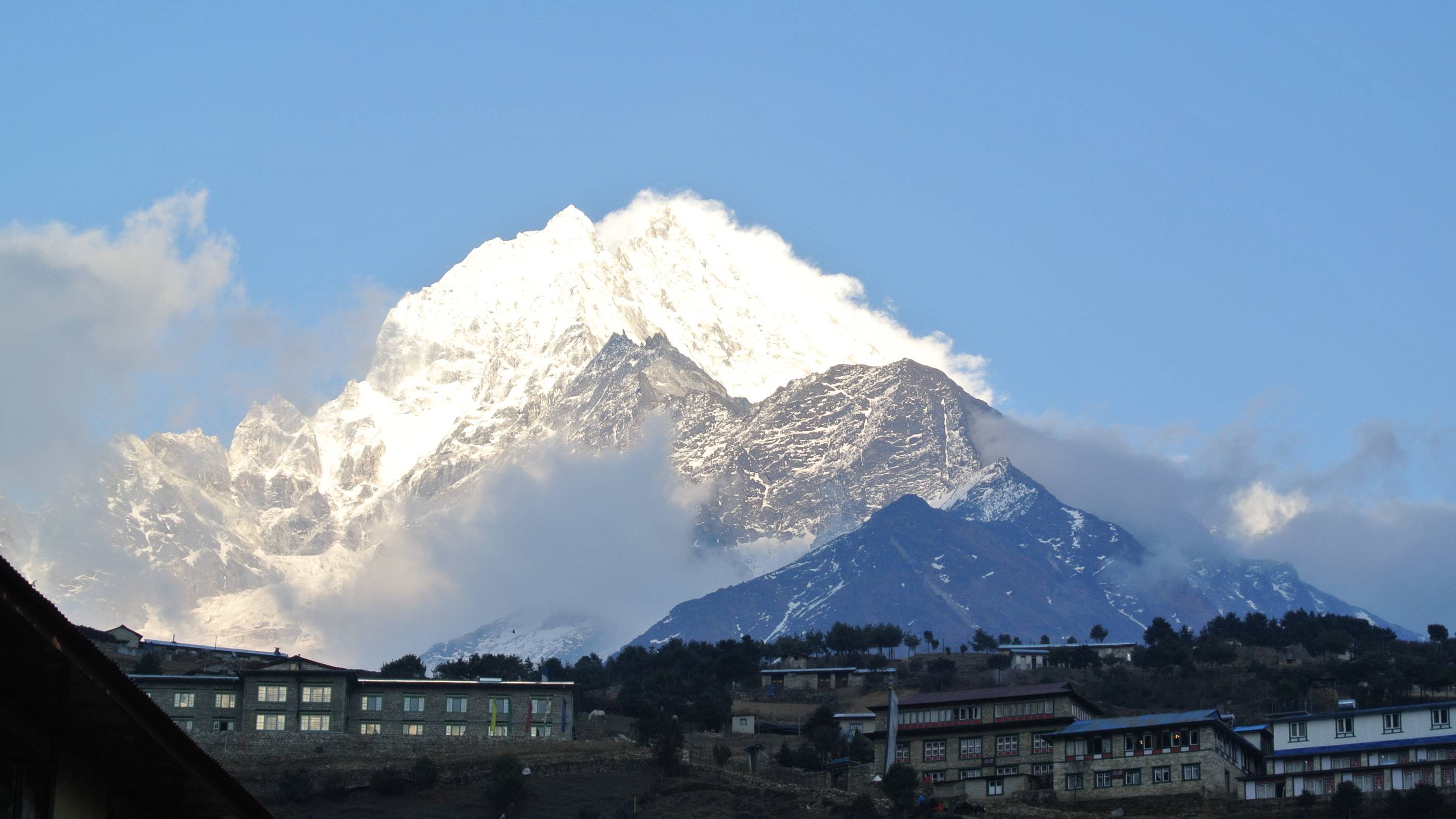
Lobuche Peak, rising to 6,119 meters, is situated close to the Everest Base Camp and offers climbers a challenging and scenic adventure. Lobuche Peak Climbing is known for its technical sections, requiring climbers to have basic skills in rock and ice climbing. The journey to Lobuche Peak starts from Lukla, following the classic Everest Base Camp trek up to the village of Lobuche. The climb involves steep and exposed sections, particularly on the final ridge to the summit. The reward for reaching the top is a stunning view of Everest, Lhotse, Nuptse, and Pumori. Lobuche Peak Climbing is ideal for climbers looking to enhance their technical skills while enjoying the iconic landscapes of the Everest region.

Conclusion

Island Peak, Mera Peak, and Lobuche Peak each offer a unique and exhilarating Himalayan climbing experience. Whether you're a novice climber seeking your first high-altitude summit or an experienced mountaineer looking for new challenges, these peaks provide the perfect blend of adventure, culture, and breathtaking scenery. Climbing these peaks not only tests your physical endurance but also immerses you in the unparalleled beauty and tranquility of the Himalayas.

Exploring the Majestic Peaks: Ama Dablam, Manaslu, and Himlung Himal Expeditions

The Himalayas, with their towering peaks and breathtaking vistas, have long captivated adventurers and mountaineers. Among the myriad of expeditions available, three stand out for their unique challenges and unparalleled beauty: the Ama Dablam Expedition, the Manaslu Expedition, and the Himlung Himal Expedition. Each of these expeditions offers a distinct experience, catering to climbers with varying levels of expertise and ambition.

Ama Dablam Expedition

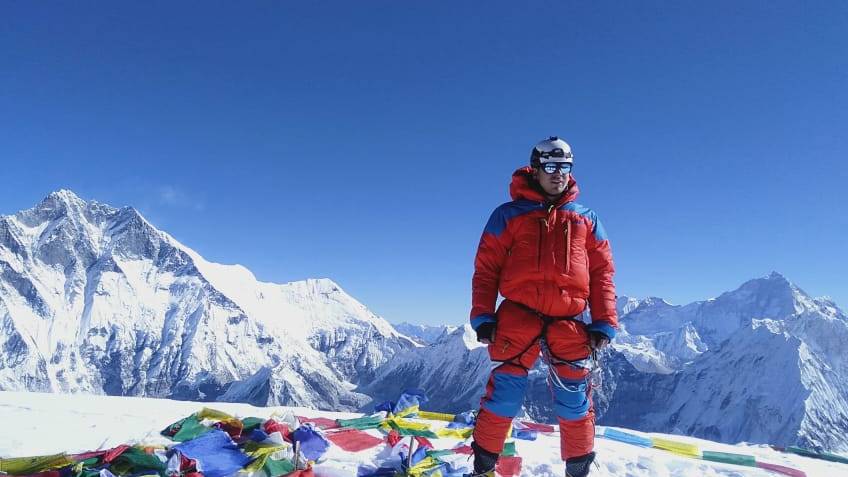
Ama Dablam, often referred to as the "Matterhorn of the Himalayas," is renowned for its stunning pyramid shape and technical climbing routes. Standing at 6,812 meters, it is one of the most iconic and photographed peaks in the world. The Ama Dablam expedition is a dream for many climbers due to its challenging ascent, which involves rock, snow, and ice climbing. The expedition typically starts from Lukla, with climbers trekking through picturesque Sherpa villages and the Khumbu Valley before reaching the base camp. The route is steep and exposed, requiring climbers to have solid technical skills and experience with fixed ropes. The reward, however, is a panoramic view from the summit that includes Everest, Lhotse, and Makalu, making the arduous journey worthwhile.

Manaslu Expedition

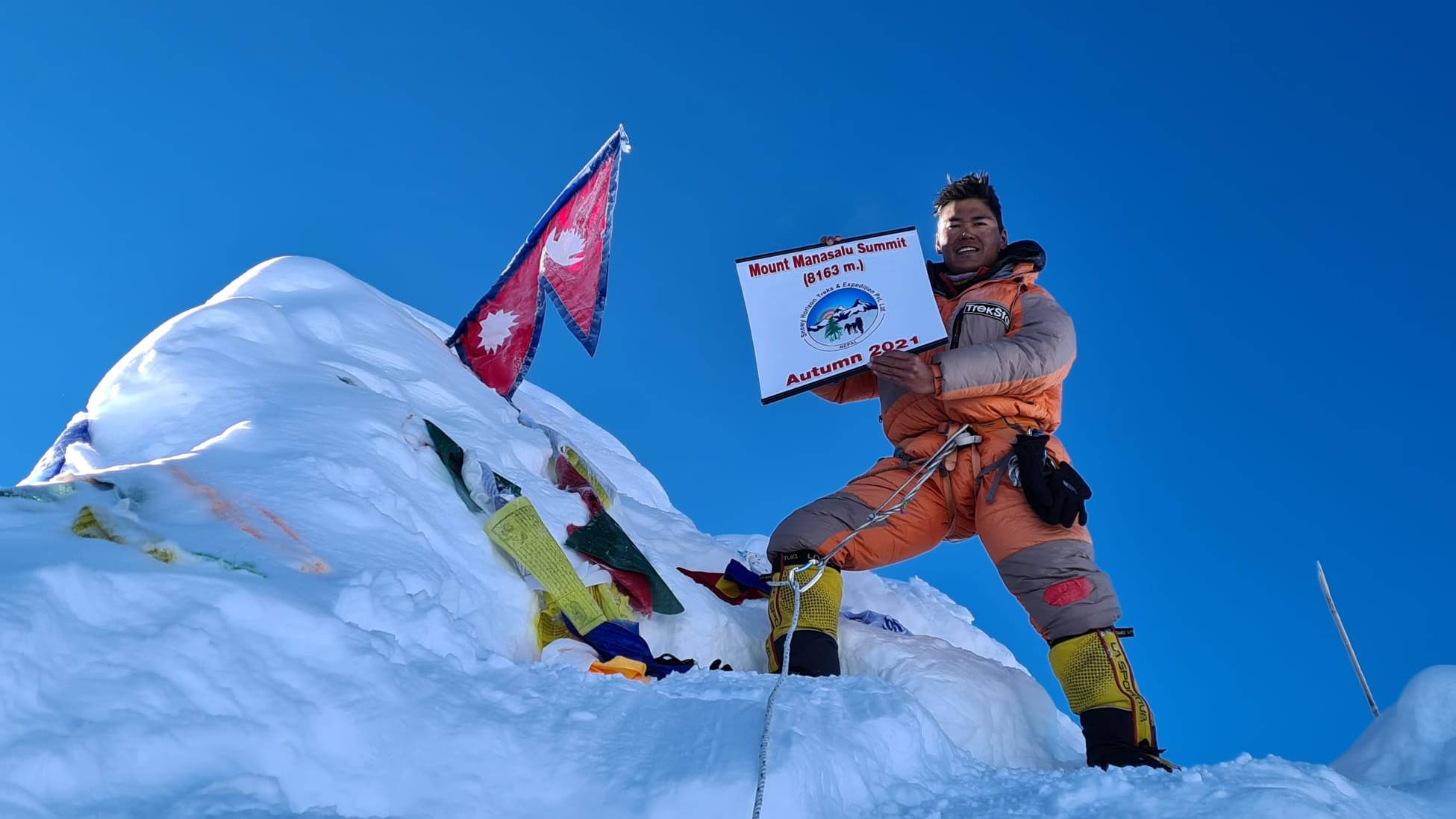
At 8,163 meters, Manaslu is the eighth highest mountain in the world and offers a less crowded alternative to Everest. The Manaslu expedition is a formidable challenge due to its high altitude, harsh weather conditions, and technical sections. Starting from the town of Arughat, the trek to Manaslu Base Camp takes climbers through lush forests, terraced fields, and remote villages, offering a glimpse into the traditional Himalayan lifestyle. The climb itself is demanding, with steep ice sections and crevasses. However, the relative isolation and the untouched beauty of the Manaslu region make this expedition particularly appealing. Reaching the summit provides a sense of accomplishment and offers stunning views of the surrounding peaks, including the Ganesh Himal and Annapurna ranges.

Himlung Himal Expedition

Himlung Himal, rising to 7,126 meters, is situated in the remote Nar-Phu region near the Tibetan border. The Himlung Himal expedition is considered less technically demanding compared to Ama Dablam and Manaslu, making it an excellent choice for climbers looking to summit a high-altitude peak with less risk. The journey begins in the village of Koto, with the trek to base camp passing through ancient monasteries, narrow gorges, and pristine alpine meadows. The climb involves moderate snow and ice sections, with stunning views of Annapurna II, Gangapurna, and Tilicho Peak. The relative ease of the ascent combined with the cultural richness of the Nar-Phu valley makes Himlung Himal an attractive destination for both experienced and aspiring climbers.

Conclusion

Each of these expeditions – Ama Dablam, Manaslu, and Himlung Himal – offers a unique blend of physical challenge and natural beauty. Whether it's the technical demands of Ama Dablam, the high-altitude isolation of Manaslu, or the cultural immersion of Himlung Himal, these expeditions provide an unforgettable experience for those seeking to conquer the majestic peaks of the Himalayas.

Monday, 17 June 2024

Conquering the Himalayan Giants: Island Peak, Mera Peak, and Lobuche Peak Climbing Expeditions

Embarking on a peak climbing expedition in the Himalayas is a dream come true for many adventurers. Among the plethora of majestic peaks that adorn the towering range, Island Peak, Mera Peak, and Lobuche Peak stand out as enticing challenges, offering climbers the opportunity to test their skills and determination against the breathtaking backdrop of the world's highest mountains.

Island Peak Climbing: Scaling the "Imja Tse"

Island Peak, also known as Imja Tse, is a popular climbing destination located in the Everest region of Nepal. Rising to an elevation of 6,189 meters (20,305 feet), Island Peak offers a challenging yet achievable climb that rewards climbers with stunning views of Everest, Lhotse, and Nuptse. The expedition to Island Peak begins with a trek through the beautiful Khumbu Valley, passing through Sherpa villages and ancient monasteries. The climb itself involves technical sections of rock and ice, including a thrilling traverse along a narrow ridge. Despite the challenges, reaching the summit of Island Peak Climbing is a deeply rewarding experience that offers a sense of accomplishment like no other.

Mera Peak Climbing: Reaching the Highest Trekking Peak

Mera Peak, standing at an impressive altitude of 6,476 meters (21,247 feet), is the highest trekking peak in Nepal and offers climbers a challenging yet accessible climbing experience. Located in the remote Hinku Valley of the Everest region, Mera Peak Climbing is surrounded by stunning alpine landscapes, including pristine forests, towering glaciers, and panoramic mountain vistas. The expedition to Mera Peak takes climbers off the beaten path, providing a true wilderness experience away from the crowds. The climb involves trekking through rugged terrain and ascending steep slopes, culminating in a thrilling summit push. From the top, climbers are rewarded with breathtaking views of Everest, Makalu, and Kangchenjunga, among other Himalayan giants.

Lobuche Peak Climbing: Conquering the East and West Peaks

Lobuche Peak, located in the Khumbu region of Nepal, comprises two distinct summits: Lobuche East (6,119 meters) and Lobuche West (6,145 meters). Both peaks offer challenging climbs that require technical skill and mountaineering experience. The expedition to Lobuche Peak Climbing begins with a trek through the Everest region, passing through picturesque villages and ancient monasteries. Climbers then ascend steep slopes and traverse glaciers to reach the summit, where they are rewarded with breathtaking views of Everest, Lhotse, and the surrounding Himalayan panorama.

Conclusion: Embarking on an Adventure of a Lifetime

Embarking on peak climbing expeditions to Island Peak, Mera Peak, and Lobuche Peak is an adventure of a lifetime that promises unforgettable memories and unparalleled experiences. Whether you're a seasoned mountaineer seeking a new challenge or an aspiring climber looking to push your limits, these expeditions offer the perfect opportunity to conquer some of the world's most iconic peaks and immerse yourself in the awe-inspiring beauty of the Himalayas.

Conquering the Peaks: Ama Dablam, Manaslu, and Himlung Himal Expeditions

Embarking on a Himalayan expedition is the ultimate dream for many mountaineers and adventure enthusiasts. Among the countless peaks that dot the majestic range, Ama Dablam, Manaslu, and Himlung Himal stand out as formidable challenges, beckoning climbers to test their skills and courage against their towering heights.

Ama Dablam Expedition: Scaling the "Mother's Necklace"

Ama Dablam, often referred to as the "Mother's Necklace" due to its elegant shape resembling a mother's arms embracing her child, is one of the most iconic peaks in the Everest region of Nepal. Standing at 6,812 meters (22,349 feet), Ama Dablam expedition offers a technical and demanding climb that requires climbers to navigate steep rock faces, icy slopes, and challenging ridges. The expedition to Ama Dablam is not for the faint-hearted, but for those who dare to take on the challenge, the reward is unparalleled views of Everest, Lhotse, and the surrounding Himalayan panorama.

Manaslu Expedition: Conquering the Eighth Highest Peak

Manaslu, the eighth highest mountain in the world at 8,163 meters (26,781 feet), offers a remote and adventurous climbing experience in the heart of the Nepalese Himalayas. Known for its unpredictable weather and demanding terrain, the Manaslu expedition presents a formidable challenge to even the most experienced climbers. The journey to the summit takes climbers through diverse landscapes, from lush forests and alpine meadows to icy glaciers and rocky slopes. Despite the challenges, reaching the summit of Manaslu is a deeply rewarding accomplishment that few can claim.

Himlung Himal Expedition: Exploring the Hidden Gem

Himlung Himal, located in the remote Nar Phu Valley of Nepal, is a lesser-known peak that offers a unique and unforgettable climbing experience. At 7,126 meters (23,379 feet), Himlung Himal expedition is considered a "trekking peak," making it accessible to climbers with moderate mountaineering experience. The expedition to Himlung Himal takes climbers through pristine wilderness, ancient villages, and high-altitude landscapes, providing a true Himalayan adventure off the beaten path. From the summit, climbers are rewarded with panoramic views of the Annapurna and Manaslu ranges, as well as the Tibetan plateau to the north.

Conclusion: Embracing the Spirit of Adventure

Embarking on expeditions to peaks like Ama Dablam, Manaslu, and Himlung Himal is not just about reaching the summit; it's about embracing the spirit of adventure, pushing personal limits, and connecting with the awe-inspiring beauty of the Himalayas. Whether you're a seasoned mountaineer seeking a new challenge or an aspiring climber looking to test your skills, these expeditions offer an unforgettable journey into the heart of the world's most majestic mountains.

Sunday, 5 May 2024

Exploring Nepal's Peaks: Island, Mera, and Lobuche Peak Climbing

Nepal, home to the world's highest peaks, is a mecca for mountaineers seeking adventure amidst breathtaking landscapes. Among its numerous summits, Island Peak, Mera Peak, and Lobuche Peak stand out as popular choices for climbers eager to test their skills in the Himalayas.

Island Peak, also known as Imja Tse, is a formidable challenge standing at 6,189 meters above sea level. Nestled in the heart of the Everest region, its distinctive summit resembles an island amidst a sea of ice and snow. Island Peak Climbing is an exhilarating journey that combines technical climbing with the awe-inspiring beauty of the Khumbu Valley. The expedition begins in the bustling town of Lukla, where climbers trek through rhododendron forests and Sherpa villages before reaching the base camp at Chhukung. From there, the ascent to Island Peak's summit unfolds through steep slopes and icy ridges, culminating in a breathtaking panorama of Everest, Lhotse, and Makalu. Despite its formidable reputation, Island Peak is accessible to climbers with basic mountaineering skills, making it a popular choice for those seeking their first Himalayan summit.

Mera Peak, standing at 6,476 meters, offers a different kind of challenge—one of endurance and exploration. Located in the remote Hinku Valley, Mera Peak promises a wilderness experience unmatched by its more famous counterparts. The expedition begins with a scenic flight to the village of Lukla, followed by a trek through pristine forests and high-altitude pastures. Unlike the crowded trails of Everest, climbers on Mera Peak traverse remote glaciers and traverse snow-covered ridges, immersing themselves in the raw beauty of the Himalayan wilderness. The final push to Mera Peak's summit involves crossing crevassed glaciers and negotiating steep snow slopes, culminating in a panoramic vista of five of the world's six highest mountains. For those seeking solitude and adventure, Mera Peak Climbing offers an unforgettable Himalayan experience.

Lobuche Peak, situated in the Khumbu region, is a challenging yet rewarding climb that offers stunning views of Everest and its surrounding peaks. At 6,119 meters, Lobuche Peak presents technical challenges that require climbers to navigate steep ice and rock faces. The expedition begins in Lukla, where climbers trek through the legendary Khumbu Valley before reaching Lobuche Base Camp. From there, the ascent to the summit unfolds through a series of steep pitches and narrow ridges, testing climbers' skills and resolve. Despite its demanding nature, Lobuche Peak rewards climbers with unparalleled views of the Everest Massif, including the iconic peaks of Nuptse and Lhotse. For experienced mountaineers seeking a new challenge in the heart of the Himalayas, Lobuche Peak Climbing offers an unforgettable adventure.

In conclusion, Island Peak, Mera Peak, and Lobuche Peak embody the spirit of adventure and exploration in Nepal's majestic mountains. Whether scaling the icy slopes of Island Peak, trekking through the pristine wilderness of Mera Peak, or conquering the technical challenges of Lobuche Peak, each expedition promises an unforgettable Himalayan experience.

Conquering the Himalayas: A Journey of Courage and Perseverance

In the realm of mountaineering, where the air thins and the elements reign supreme, the Himalayas stand as the ultimate test of human endurance. Among its towering peaks, Ama Dablam, Manaslu, and Himlung Himal command respect, enticing adventurers with their sheer beauty and formidable challenges. These mountains have witnessed countless expeditions, each a saga of determination and triumph over nature's formidable forces.

The Ama Dablam expedition, nestled in the heart of the Everest region, is a pinnacle of technical climbing. Its iconic pyramid-shaped summit, adorned with snow and ice, has lured climbers since its first ascent in 1961. Scaling Ama Dablam requires not only physical prowess but also technical finesse, navigating through steep rock faces and treacherous ice cliffs. The expedition demands meticulous planning and unwavering focus, as climbers negotiate the Khumbu Glacier and the perilous "Dablam," or hanging glacier, which gives the mountain its name.Despite the challenges, the reward is unparalleled—the breathtaking panorama from Ama Dablam's summit, with Everest and Lhotse standing majestically in the distance, is a sight reserved only for the boldest of adventurers.

Further west lies the formidable Manaslu, the eighth highest peak in the world. Rising 8,163 meters above sea level, Manaslu presents a formidable challenge to even the most seasoned climbers. Unlike the crowded trails of Everest, Manaslu offers a wilderness experience, where climbers traverse remote valleys and pristine forests before confronting the mountain's icy slopes. The Manaslu expedition is a test of physical endurance and mental fortitude, as climbers brave high altitudes and unpredictable weather conditions. Yet, amidst the adversity, there is camaraderie—the shared bonds forged on the mountain, the collective pursuit of a common goal, unite climbers in their quest to conquer Manaslu's summit.

In the shadow of Manaslu lies Himlung Himal, a lesser-known gem awaiting exploration. Situated near the Tibetan border, Himlung Himal offers a less crowded alternative to its famous neighbors, yet no less challenging. The Himlung Himal expedition begins in the remote village of Phu, where climbers acclimatize amidst the rugged beauty of the Tibetan Plateau. From there, they ascend through steep gorges and high alpine meadows, eventually reaching the icy slopes of Himlung Himal. The expedition demands self-sufficiency and resourcefulness, as climbers establish high-altitude camps and navigate crevasse-riddled glaciers. Yet, amidst the solitude of the Himalayan wilderness, there is a sense of awe—a profound appreciation for the raw beauty of nature and the indomitable spirit of the human adventurer.

In the end, whether scaling the iconic heights of Ama Dablam, braving the wilderness of Manaslu, or exploring the untamed beauty of Himlung Himal, each expedition is a testament to the human spirit. It is a journey of courage and perseverance, where the summit is not merely a destination but a symbol of triumph over adversity—a victory etched in snow and stone against the backdrop of the world's highest peaks.

Monday, 18 March 2024

Exploring Nepal's Peaks: Island, Mera, and Lobuche

Nepal, a land blessed with breathtaking landscapes and towering peaks, has long been a haven for adventurers seeking to test their mettle against nature's grandeur. Among the myriad of summits that dot its rugged terrain, Island Peak, Mera Peak, and Lobuche Peak stand out as prominent challenges, each offering a unique and exhilarating climbing experience.

Island Peak Climbing:

Nestled in the heart of the Khumbu region, Island Peak, also known as Imja Tse, rises to an elevation of 6,189 meters. Despite its relatively modest height compared to its neighbors, its challenging terrain and technical climbs make it a favorite among mountaineers.

Island Peak climbing is not for the faint of heart. The journey begins in the picturesque village of Chukhung, where climbers embark on a trek through rugged valleys and towering glaciers. As they ascend higher, the landscape transforms into a frozen wilderness of ice and snow, with breathtaking views of the surrounding Himalayan giants.

Reaching the summit of Island Peak requires skill, determination, and careful planning. Climbers must navigate steep ice walls and crevassed slopes, using ropes and crampons to secure their footing. But the rewards are well worth the effort, for atop the summit, they are greeted with a panorama of snow-capped peaks stretching as far as the eye can see.

Mera Peak Climbing:

Situated in the remote Hinku Valley, Mera Peak stands as the highest trekking peak in Nepal, towering at 6,476 meters. Its relatively straightforward ascent and stunning views have made it a popular choice for climbers looking to experience the thrill of high-altitude mountaineering.

The journey to Mera Peak begins with a trek through pristine forests and quaint Sherpa villages, gradually ascending towards the base camp. From there, climbers make their way up the glacier, negotiating crevasses and seracs as they ascend higher.

Despite its non-technical nature, Mera Peak climbing poses its own set of challenges, including acclimatization to the thin air and navigating the maze of crevasses near the summit. But with proper preparation and a sense of adventure, reaching the top is an achievable goal, rewarding climbers with sweeping views of Everest, Lhotse, and Makalu.

Lobuche Peak Climbing:

Tucked away in the Khumbu region, Lobuche Peak beckons climbers with its rugged beauty and challenging climbs. Standing at 6,119 meters, it offers a thrilling adventure for those seeking to push their limits in the Himalayas.

The journey to Lobuche Peak climbing begins with a trek along the iconic Everest Base Camp trail, passing through alpine meadows and glacial moraines. As climbers approach the base camp, the landscape becomes increasingly rugged, with towering peaks rising on all sides.

Ascending Lobuche Peak requires technical skill and a head for heights. Climbers must navigate steep ice walls and rocky ridges, often using fixed ropes and harnesses to secure their ascent. But the effort is rewarded with stunning views of Everest, Nuptse, and the Khumbu Glacier, making it a truly unforgettable experience.

In conclusion, climbing Island Peak, Mera Peak, and Lobuche Peak offers adventurers the opportunity to test their skills and immerse themselves in the awe-inspiring beauty of the Himalayas. Whether scaling icy ridges or navigating crevassed slopes, these peaks promise an unforgettable adventure for those bold enough to answer the call of the mountains.