Wednesday, 20 May 2026

Experience the Thrill of the Ama Dablam, Manaslu and Himlung Himal Expeditions

The Ama Dablam Expedition is considered one of the most beautiful and technically rewarding climbing adventures in the Himalayas. Located in the Everest region of Nepal, Ama Dablam stands at 6,812 meters and attracts climbers from around the world who seek both challenge and breathtaking scenery. The mountain’s unique pyramid shape, steep ridges, and stunning ice formations make it a dream destination for mountaineers.

During the Ama Dablam Expedition, climbers pass through traditional Sherpa villages, lush forests, and high alpine landscapes. The expedition not only offers an exciting climbing experience but also provides a chance to explore the rich culture of the Khumbu region. Proper acclimatization, technical preparation, and experienced guides are essential for a successful summit.

Manaslu Expedition: The Adventure of the Eighth Highest Peak

The Manaslu Expedition is a perfect choice for climbers looking to conquer one of the world’s 8,000-meter peaks. Mount Manaslu, standing at 8,163 meters, is the eighth highest mountain on Earth and is located in the remote Gorkha region of Nepal. Known for its challenging terrain and spectacular beauty, the mountain offers an unforgettable Himalayan adventure.

The Manaslu Expedition is famous for its diverse landscapes, ranging from green valleys and ancient monasteries to glaciers and snowy peaks. Compared to Everest, Manaslu provides a quieter and less crowded climbing experience. However, the expedition requires excellent physical fitness, mountaineering skills, and determination due to extreme weather conditions and high altitude challenges.

Discover the Hidden Beauty of the Himlung Himal Expedition

The Himlung Himal Expedition is gaining popularity among climbers seeking a less crowded but highly rewarding Himalayan peak. Himlung Himal rises to 7,126 meters near the Nepal-Tibet border and is considered an ideal expedition for climbers preparing for higher mountains like Everest or Manaslu.

One of the highlights of the Himlung Himal Expedition is its relatively safe climbing route and stunning panoramic views of surrounding Himalayan giants. The expedition journey takes climbers through remote villages, Buddhist culture, and untouched mountain landscapes. With proper acclimatization and guidance, Himlung Himal offers a perfect balance of adventure and achievement.

Choose Your Ultimate Himalayan Expedition

Whether you dream of the technical beauty of the Ama Dablam Expedition, the high-altitude challenge of the Manaslu Expedition, or the remote adventure of the Himlung Himal Expedition, Nepal offers some of the world’s finest mountaineering experiences. Each expedition provides unique landscapes, cultural encounters, and unforgettable moments in the heart of the Himalayas.

Conquer the Himalayas with Island Peak, Mera Peak, and Lobuche Peak Climbing Adventures

Nepal is a dream destination for mountaineers and adventure lovers from around the world. Among the most exciting trekking peaks in the Himalayas are Island Peak Climbing, Mera Peak Climbing, and Lobuche Peak Climbing. These famous Himalayan adventures offer breathtaking mountain scenery, thrilling climbing experiences, and unforgettable memories for trekkers seeking high-altitude challenges.

Island Peak Climbing – A Perfect Himalayan Adventure

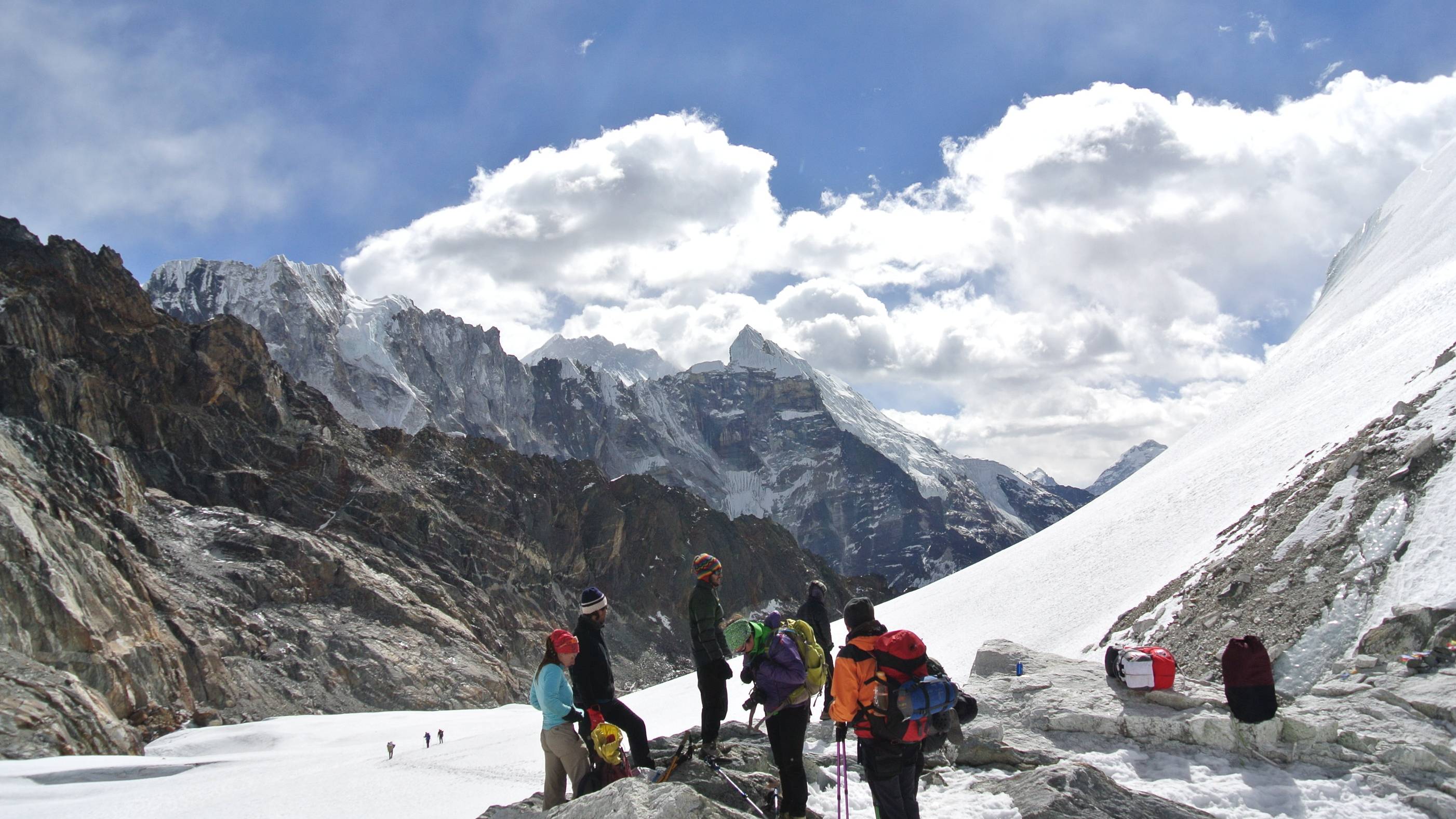
Island Peak Climbing is one of the most popular climbing expeditions in Nepal. Located in the Everest region, Island Peak stands at 6,189 meters and provides climbers with spectacular views of Mount Everest, Lhotse, Nuptse, and Ama Dablam. The journey usually begins with a scenic flight to Lukla followed by trekking through Namche Bazaar and Tengboche.

Island Peak is ideal for beginner climbers who want to experience real mountaineering in the Himalayas. Climbers use basic climbing equipment such as ropes, crampons, and ice axes while crossing glaciers and steep snow slopes. The summit rewards adventurers with panoramic Himalayan views that make the challenging climb worthwhile.

Mera Peak Climbing – Nepal’s Highest Trekking Peak

Mera Peak Climbing is another famous adventure in Nepal and is known as the highest trekking peak in the country at 6,476 meters. This expedition is perfect for trekkers looking for a less technical but physically demanding climb. Mera Peak offers incredible scenery, peaceful trekking routes, and stunning views of five of the world’s highest mountains including Everest, Makalu, Kanchenjunga, Lhotse, and Cho Oyu.

The trail passes through remote villages, beautiful forests, and high alpine valleys. Proper acclimatization is important during Mera Peak Climbing because of the high altitude. With experienced guides and good preparation, climbers can successfully reach the summit and enjoy one of the best mountain panoramas in Nepal.

Lobuche Peak Climbing – A Thrilling Technical Challenge

For climbers seeking a more technical Himalayan experience, Lobuche Peak Climbing is an excellent choice. Standing at 6,119 meters, Lobuche Peak is located near the Everest Base Camp trail and offers exciting climbing sections with steep ice and rocky terrain.

Lobuche Peak Climbing combines trekking adventure with technical mountaineering skills. The climb is more challenging compared to Island Peak and Mera Peak, making it suitable for experienced trekkers and climbers. From the summit, climbers can enjoy extraordinary views of Everest, Pumori, Nuptse, and the Khumbu Glacier.

Whether choosing Island Peak Climbing, Mera Peak Climbing, or Lobuche Peak Climbing, Nepal offers unforgettable Himalayan adventures filled with natural beauty, cultural experiences, and thrilling mountain challenges.

Wednesday, 22 April 2026

Climbing Adventures in Nepal: Island Peak, Mera Peak and Lobuche Peak Climbing

Nepal is widely recognized as one of the world’s premier destinations for trekking and mountaineering, offering countless opportunities for adventure in the Himalayas. Among the most popular trekking peaks are Island Peak Climbing, Mera Peak Climbing, and Lobuche Peak Climbing, each providing a unique experience for climbers looking to step into high-altitude mountaineering.

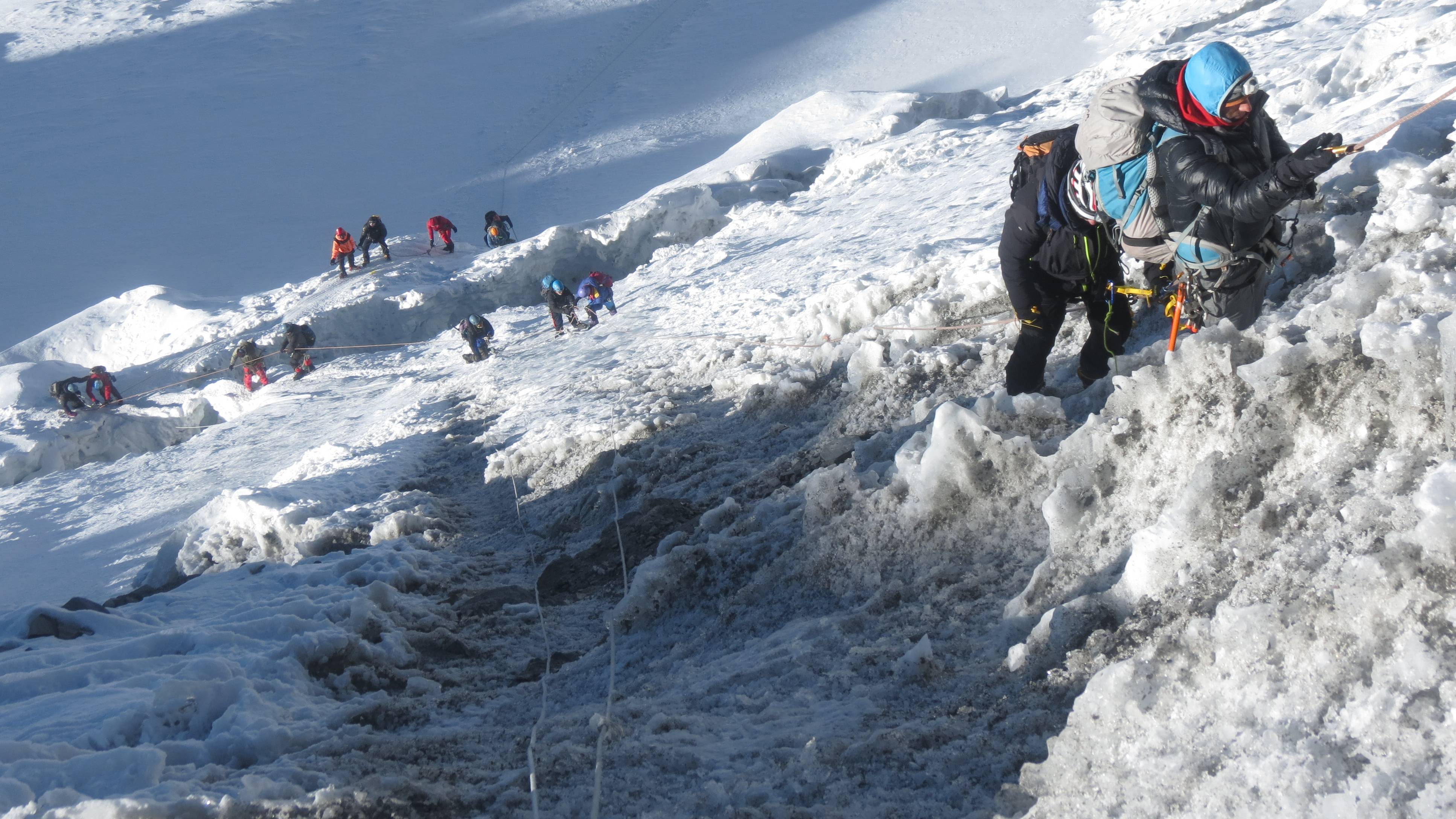
Island Peak Climbing, also known as Imja Tse, is one of the most famous trekking peaks in the Everest region. Standing at 6,189 meters, Island Peak offers a perfect introduction to Himalayan climbing. The journey begins with a trek through the Khumbu Valley, passing iconic landmarks such as Namche Bazaar and Tengboche Monastery. The climb itself involves glacier travel, rope work, and a steep headwall section near the summit. From the top, climbers are rewarded with breathtaking views of Mount Everest, Lhotse, and Ama Dablam, making Island Peak Climbing a truly unforgettable experience.

Mera Peak Climbing is another popular choice, especially for those seeking a higher altitude challenge without extreme technical difficulty. At 6,476 meters, Mera Peak is the highest trekking peak in Nepal. The climb is less technical compared to Island Peak, but it demands strong physical fitness and proper acclimatization due to its altitude. The route passes through the remote Hinku Valley, offering stunning views of five of the world’s highest mountains, including Everest, Makalu, and Kanchenjunga. Mera Peak Climbing is ideal for adventurers preparing for future 8,000-meter expeditions.

Lobuche Peak Climbing is considered one of the more technical trekking peaks in the Everest region. Rising to 6,119 meters, Lobuche Peak Climbing offers two main summits—East and West—with Lobuche East being the more commonly climbed. The ascent includes steep sections, ice climbing, and the use of fixed ropes, making it suitable for climbers with some prior mountaineering experience. Like the other peaks, the summit provides incredible panoramic views of Everest and surrounding Himalayan giants.

Together, Island Peak Climbing, Mera Peak Climbing, and Lobuche Peak Climbing offer a perfect progression for aspiring mountaineers. Island Peak introduces technical skills, Mera Peak builds endurance at high altitude, and Lobuche Peak enhances technical climbing ability in challenging terrain. Each expedition provides a unique blend of adventure, culture, and natural beauty.

In conclusion, these three iconic peaks showcase the best of Nepal’s trekking and climbing opportunities. Whether you are a beginner stepping into mountaineering or an experienced climber seeking new challenges, Island Peak Climbing, Mera Peak Climbing, and Lobuche Peak Climbing offer unforgettable Himalayan experiences filled with achievement and awe-inspiring scenery.

Exploring Nepal’s Great Himalayan Challenges: Ama Dablam, Manaslu, and Himlung Himal Expeditions

Nepal is a paradise for mountaineers, offering some of the most iconic and challenging peaks in the world. Among the most sought-after adventures are the Ama Dablam Expedition, Manaslu Expedition, and Himlung Himal Expedition, each providing a unique combination of technical climbing, high-altitude endurance, and breathtaking Himalayan scenery. These expeditions attract climbers from across the globe who seek both adventure and achievement in the heart of the Himalayas.

The Ama Dablam Expedition is often regarded as one of the most beautiful and technically demanding climbs in Nepal. Standing at 6,812 meters, Ama Dablam is famous for its stunning pyramid shape and exposed ridges. Climbers must navigate steep ice, rock sections, and fixed rope routes, making it a true test of skill and precision. Despite its challenges, the expedition rewards climbers with spectacular views of Everest, Lhotse, and the surrounding peaks of the Khumbu region.

The Manaslu Expedition takes climbers to the eighth-highest mountain in the world, Mount Manaslu, which rises to 8,163 meters. Known as the “Mountain of the Spirit,” Manaslu offers a less crowded alternative to Everest while still delivering a demanding high-altitude experience. The route involves glacier travel, crevasse navigation, and exposure to extreme weather conditions. Successful ascent of Manaslu is considered a significant achievement in any mountaineer’s career, offering both physical challenge and cultural richness as climbers pass through remote Himalayan villages.

The Himlung Himal Expedition is another increasingly popular choice among climbers looking to gain high-altitude experience. Located in the restricted Nar-Phu region near the Tibetan border, Himlung Himal stands at 7,126 meters. It is often considered an ideal peak for those preparing for higher 8,000-meter expeditions. The climb is relatively less technical compared to Ama Dablam but still requires strong endurance, proper acclimatization, and basic mountaineering skills. Its remote setting adds to the sense of adventure and isolation.

Together, the Ama Dablam Expedition, Manaslu Expedition, and Himlung Himal Expedition represent three distinct yet complementary Himalayan challenges. While Ama Dablam tests technical climbing ability, Manaslu demands high-altitude resilience, and Himlung Himal offers a perfect training ground for future 8,000-meter peaks.

In conclusion, these expeditions highlight the diversity and richness of Nepal’s पर्वतारोहण opportunities. Whether climbers are drawn by technical routes, high-altitude endurance, or remote wilderness experiences, the Ama Dablam Expedition, Manaslu Expedition, and Himlung Himal Expedition provide unforgettable journeys into the world’s most majestic mountain landscapes.

Tuesday, 17 March 2026

Conquer the Himalayas: Island Peak, Mera Peak and Lobuche Peak Climbing Adventures

Nepal’s majestic Himalayas offer some of the most thrilling climbing experiences in the world, and for aspiring mountaineers, Island Peak Climbing, Mera Peak Climbing, and Lobuche Peak Climbing provide ideal opportunities to test skills, endurance, and determination. These treks combine breathtaking scenery, challenging ascents, and the chance to immerse oneself in the rich culture of the Everest region.

The Island Peak Climbing expedition, also known as Imja Tse, stands at 6,189 meters and is widely regarded as one of the most popular trekking peaks in Nepal. Its distinctive silhouette rises dramatically above the Khumbu Valley, providing climbers with spectacular views of Mount Everest, Lhotse, and Ama Dablam. Island Peak is a perfect choice for intermediate climbers seeking a technical yet achievable summit. The route includes glacier crossings, ice slopes, and steep ridges, offering a real taste of high-altitude mountaineering. The combination of adventure and accessibility makes Island Peak a favorite for first-time climbers aiming to gain essential Himalayan climbing experience.

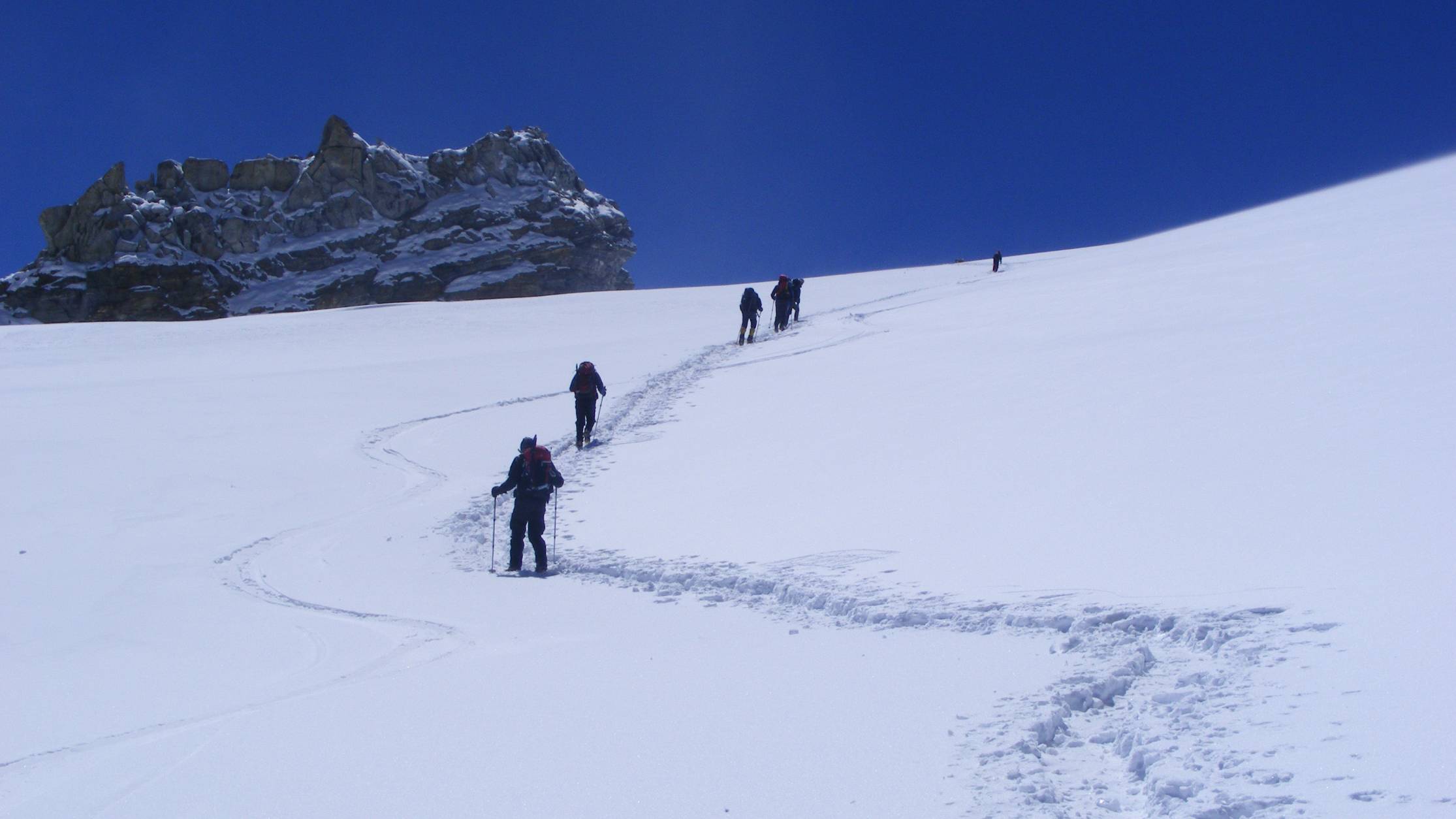
Meanwhile, Mera Peak Climbing offers a unique blend of high-altitude adventure and panoramic vistas. At 6,476 meters, Mera Peak is the highest trekking peak in Nepal, providing unobstructed views of five of the world’s highest mountains, including Everest, Lhotse, and Makalu. Mera Peak is less technically demanding than Island Peak, making it an excellent choice for climbers looking to experience extreme altitudes without complex technical challenges. The climb involves gradual ascents, snowy ridges, and glacier trekking, offering a rewarding summit experience and a true sense of accomplishment.

For climbers seeking a challenging Himalayan experience close to the Everest Base Camp route, Lobuche Peak Climbing is an ideal adventure. Standing at 6,119 meters, Lobuche Peak is known for its rugged terrain, including steep ice and rock sections, requiring careful navigation and mountaineering skills. The climb provides spectacular views of the surrounding peaks and offers an exhilarating experience for those eager to combine trekking with technical climbing. Lobuche Peak also allows climbers to explore the iconic Everest region, with opportunities to experience Sherpa culture and high-altitude landscapes.

Whether it’s the technical challenge of Island Peak, the panoramic heights of Mera Peak, or the rugged adventure of Lobuche Peak, these climbs offer unforgettable Himalayan experiences. Each expedition is a journey of personal growth, physical endurance, and awe-inspiring natural beauty, making them must-do adventures for any aspiring mountaineer.

Exploring the Heights: Ama Dablam, Manaslu and Himlung Himal Expeditions

For adventurers seeking the ultimate Himalayan challenge, few experiences compare to a high-altitude climb in Nepal. Among the most sought-after adventures are the Ama Dablam Expedition, Manaslu Expedition, and Himlung Himal Expedition, each offering a unique blend of breathtaking scenery, physical challenge, and cultural immersion.

The Ama Dablam Expedition is often regarded as one of the most iconic climbs in the Everest region. Standing at 6,812 meters, Ama Dablam is known for its striking pyramid shape, which is visible from the Khumbu Valley. Climbers are drawn to its technical routes, including steep ice walls and rock faces that demand advanced mountaineering skills. Beyond the thrill of the climb, the expedition offers awe-inspiring views of Mount Everest, Lhotse, and Cho Oyu, making it a dream destination for both experienced climbers and dedicated adventure seekers.

For those looking to combine a major peak ascent with rich cultural experiences, the Manaslu Expedition is an ideal choice. At 8,163 meters, Manaslu is the eighth-highest mountain in the world, yet it remains less crowded than Everest or Annapurna, offering a more intimate trekking and climbing experience. The route traverses traditional villages, dense forests, and glacial landscapes, allowing climbers to immerse themselves in the local Tibetan-influenced culture. The expedition requires stamina, careful acclimatization, and technical skills, but the reward is unparalleled panoramic views and the satisfaction of summiting a formidable 8,000-meter peak.

For adventurers seeking a less-traveled but equally challenging experience, the Himlung Himal Expedition is a perfect option. Rising to 7,126 meters, Himlung Himal is situated in the remote Ganesh Himal region, providing an off-the-beaten-path expedition that combines technical climbing with pristine natural beauty. The climb features mixed terrain, including snow, ice, and rock, making it a thrilling challenge for intermediate and advanced climbers. Additionally, the expedition offers a unique opportunity to explore a less frequented part of Nepal, where the wilderness and local culture remain largely untouched.

Whether tackling the iconic slopes of Ama Dablam, the majestic heights of Manaslu, or the remote challenges of Himlung Himal, each expedition promises adventure, personal growth, and unforgettable Himalayan landscapes. For mountaineers and adventure enthusiasts alike, these treks represent the pinnacle of high-altitude exploration.

Tuesday, 17 February 2026

Conquer Nepal’s Best Trekking Peaks: Island Peak, Mera Peak and Lobuche Peak Climbing

Nepal is a dream destination for mountaineers, especially those looking to step beyond trekking and into the world of Himalayan climbing. Among the most popular and rewarding adventures are Island Peak Climbing, Mera Peak Climbing, and Lobuche Peak Climbing. These trekking peaks offer the perfect balance of challenge, beauty, and high-altitude experience, making them ideal for both aspiring and experienced climbers.

Island Peak Climbing is one of the most sought-after adventures in the Everest region. Also known as Imja Tse, Island Peak stands at 6,189 meters and offers a true alpine climbing experience. The journey to the summit follows the classic Everest Base Camp trail, passing through Namche Bazaar, Tengboche Monastery, and other iconic Sherpa villages. The climb itself includes glacier travel, crevasse crossings, and a steep headwall requiring fixed rope techniques. With breathtaking views of Lhotse, Nuptse, and Ama Dablam, Island Peak Climbing is often considered the perfect introduction to Himalayan mountaineering.

For those seeking the highest trekking peak in Nepal, Mera Peak Climbing is an outstanding choice. Rising to 6,476 meters, Mera Peak offers a physically demanding but technically straightforward ascent. The route typically begins in the remote Hinku Valley, providing a quieter and more pristine trekking experience. Although the climb involves glacier travel and snow slopes, it does not require advanced technical skills. The real challenge lies in altitude and endurance. From the summit, climbers are rewarded with one of the most spectacular panoramas in the Himalayas, including Everest, Lhotse, Makalu, Cho Oyu, and Kangchenjunga.

Meanwhile, Lobuche Peak Climbing provides a more technical and challenging experience compared to Island and Mera. At 6,119 meters, Lobuche East is the more commonly climbed summit and is ideal for those looking to sharpen their mountaineering skills. The route involves steep snow and ice sections, mixed terrain, and exposed ridgelines. Often combined with the Everest Base Camp trek, Lobuche Peak Climbing is perfect for climbers preparing for bigger expeditions like Ama Dablam or even Everest.

Whether you choose Island Peak Climbing for its classic route, Mera Peak Climbing for its stunning high-altitude views, or Lobuche Peak Climbing for its technical challenge, each adventure offers a unique gateway into Himalayan mountaineering. These peaks not only test your endurance and skills but also immerse you in Nepal’s extraordinary mountain landscapes and vibrant Sherpa culture.