Tuesday, 17 February 2026

Conquer Nepal’s Best Trekking Peaks: Island Peak, Mera Peak and Lobuche Peak Climbing

Nepal is a dream destination for mountaineers, especially those looking to step beyond trekking and into the world of Himalayan climbing. Among the most popular and rewarding adventures are Island Peak Climbing, Mera Peak Climbing, and Lobuche Peak Climbing. These trekking peaks offer the perfect balance of challenge, beauty, and high-altitude experience, making them ideal for both aspiring and experienced climbers.
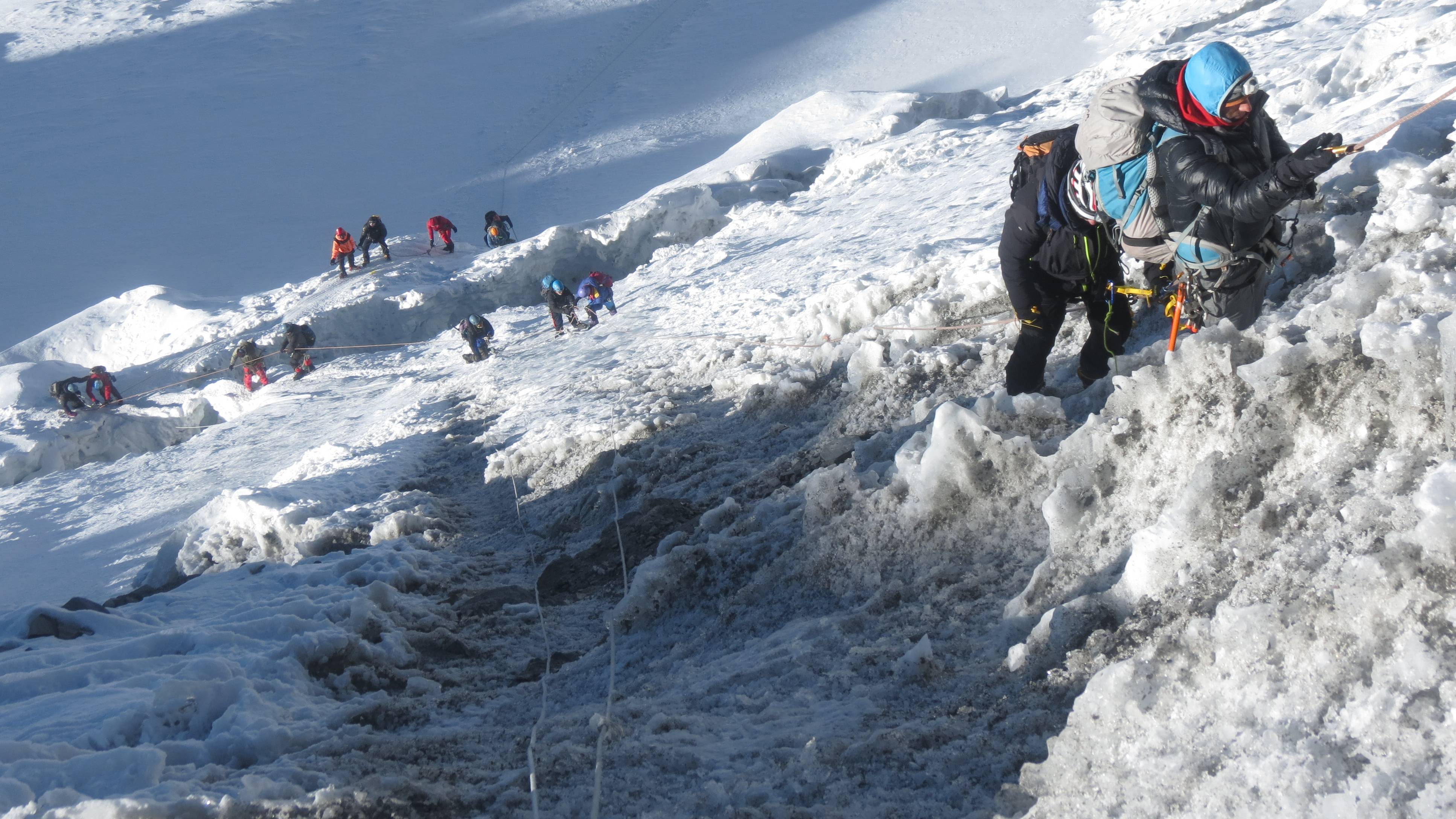
Island Peak Climbing is one of the most sought-after adventures in the Everest region. Also known as Imja Tse, Island Peak stands at 6,189 meters and offers a true alpine climbing experience. The journey to the summit follows the classic Everest Base Camp trail, passing through Namche Bazaar, Tengboche Monastery, and other iconic Sherpa villages. The climb itself includes glacier travel, crevasse crossings, and a steep headwall requiring fixed rope techniques. With breathtaking views of Lhotse, Nuptse, and Ama Dablam, Island Peak Climbing is often considered the perfect introduction to Himalayan mountaineering.
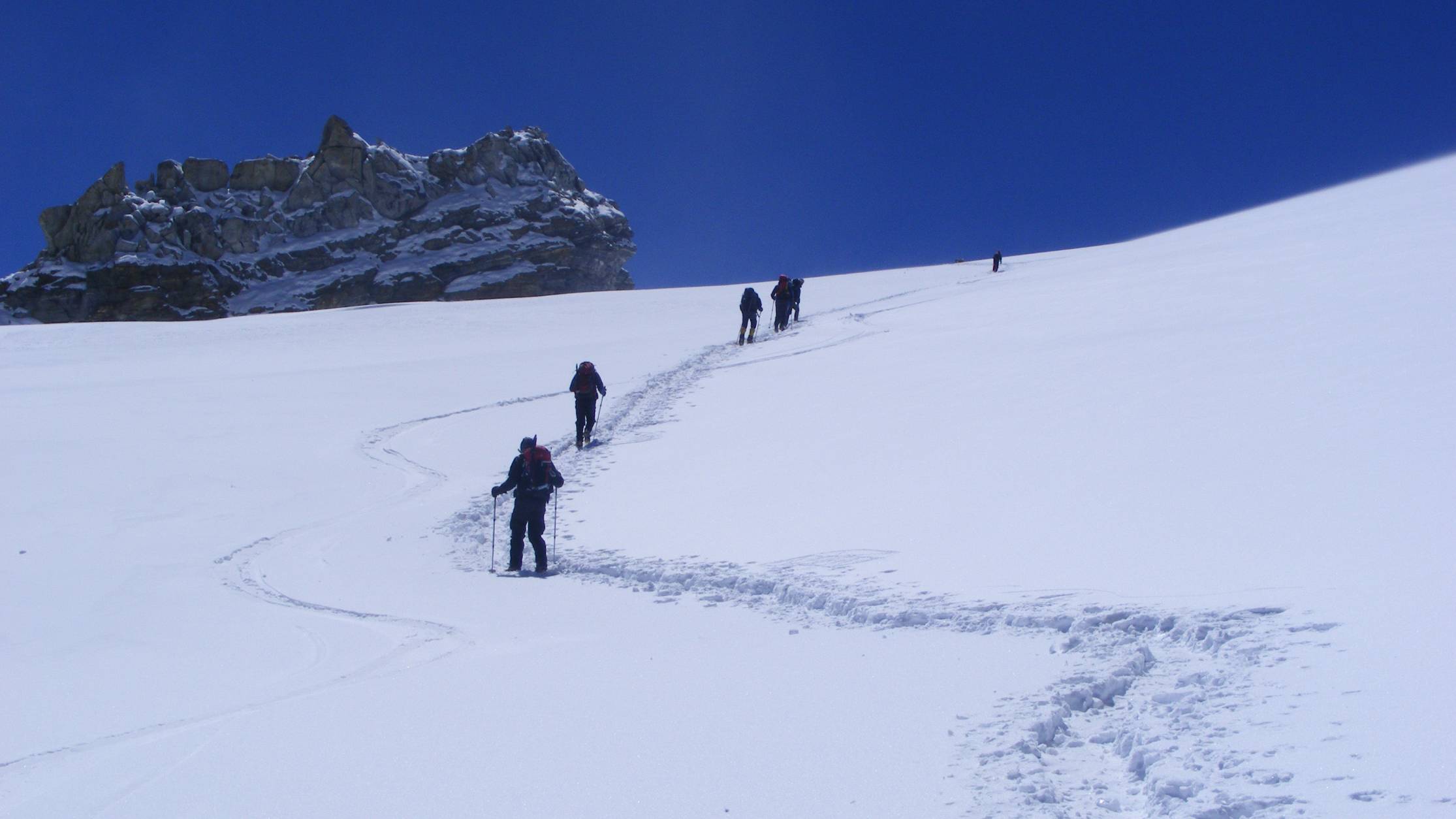
For those seeking the highest trekking peak in Nepal, Mera Peak Climbing is an outstanding choice. Rising to 6,476 meters, Mera Peak offers a physically demanding but technically straightforward ascent. The route typically begins in the remote Hinku Valley, providing a quieter and more pristine trekking experience. Although the climb involves glacier travel and snow slopes, it does not require advanced technical skills. The real challenge lies in altitude and endurance. From the summit, climbers are rewarded with one of the most spectacular panoramas in the Himalayas, including Everest, Lhotse, Makalu, Cho Oyu, and Kangchenjunga.
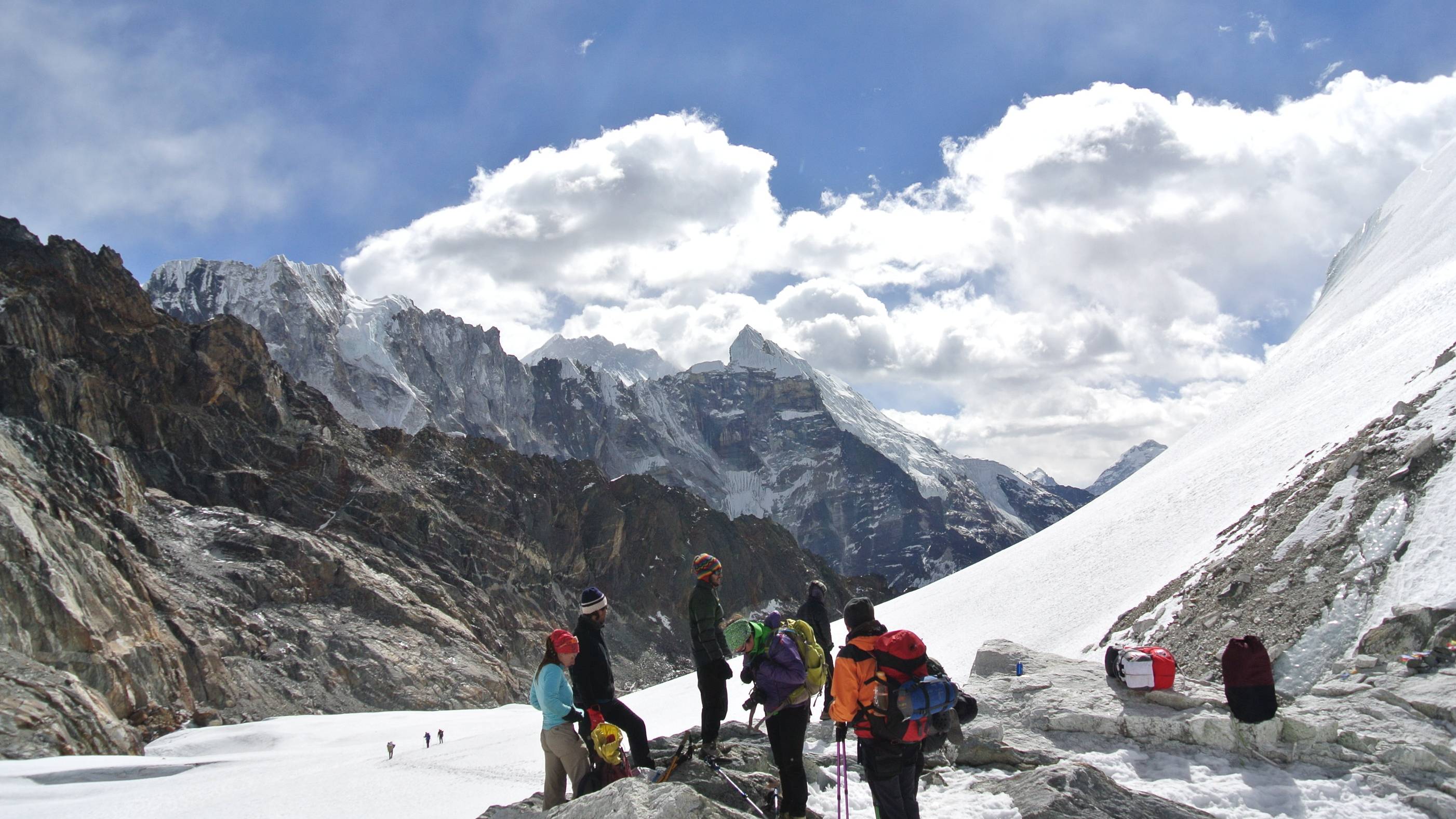
Meanwhile, Lobuche Peak Climbing provides a more technical and challenging experience compared to Island and Mera. At 6,119 meters, Lobuche East is the more commonly climbed summit and is ideal for those looking to sharpen their mountaineering skills. The route involves steep snow and ice sections, mixed terrain, and exposed ridgelines. Often combined with the Everest Base Camp trek, Lobuche Peak Climbing is perfect for climbers preparing for bigger expeditions like Ama Dablam or even Everest.

Whether you choose Island Peak Climbing for its classic route, Mera Peak Climbing for its stunning high-altitude views, or Lobuche Peak Climbing for its technical challenge, each adventure offers a unique gateway into Himalayan mountaineering. These peaks not only test your endurance and skills but also immerse you in Nepal’s extraordinary mountain landscapes and vibrant Sherpa culture.

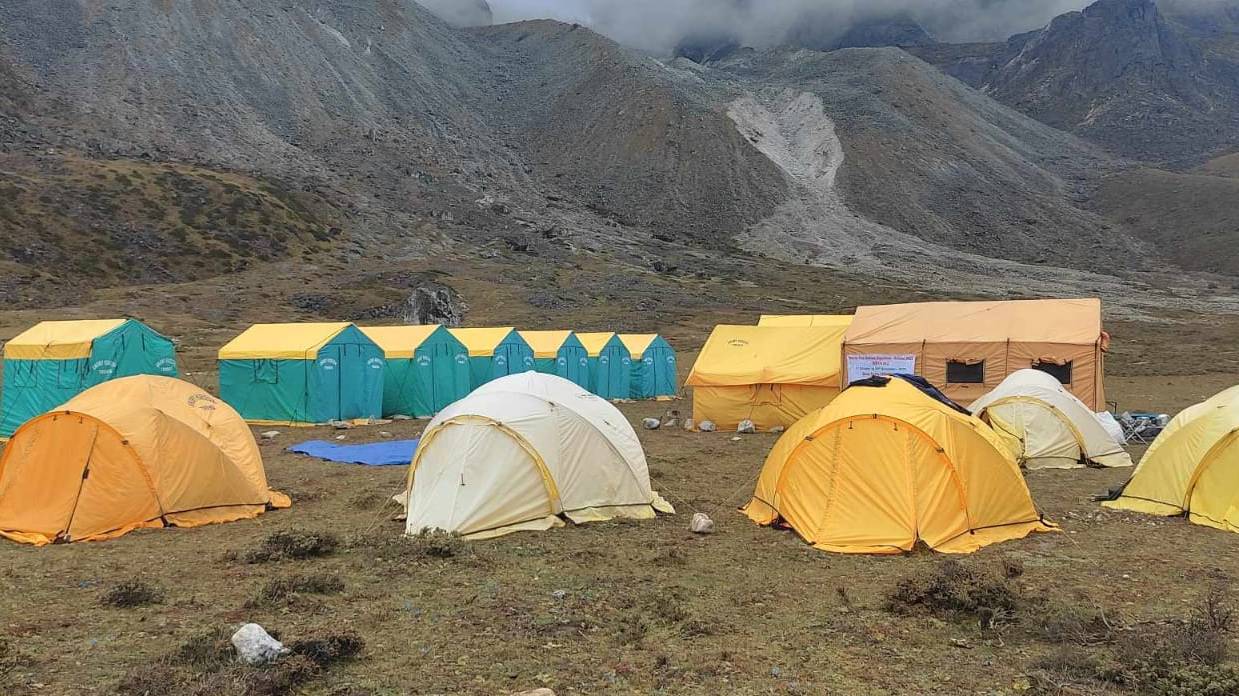
Ama Dablam Expedition, Manaslu Expedition & Himlung Himal Expedition – Ultimate Himalayan Climbing Guide

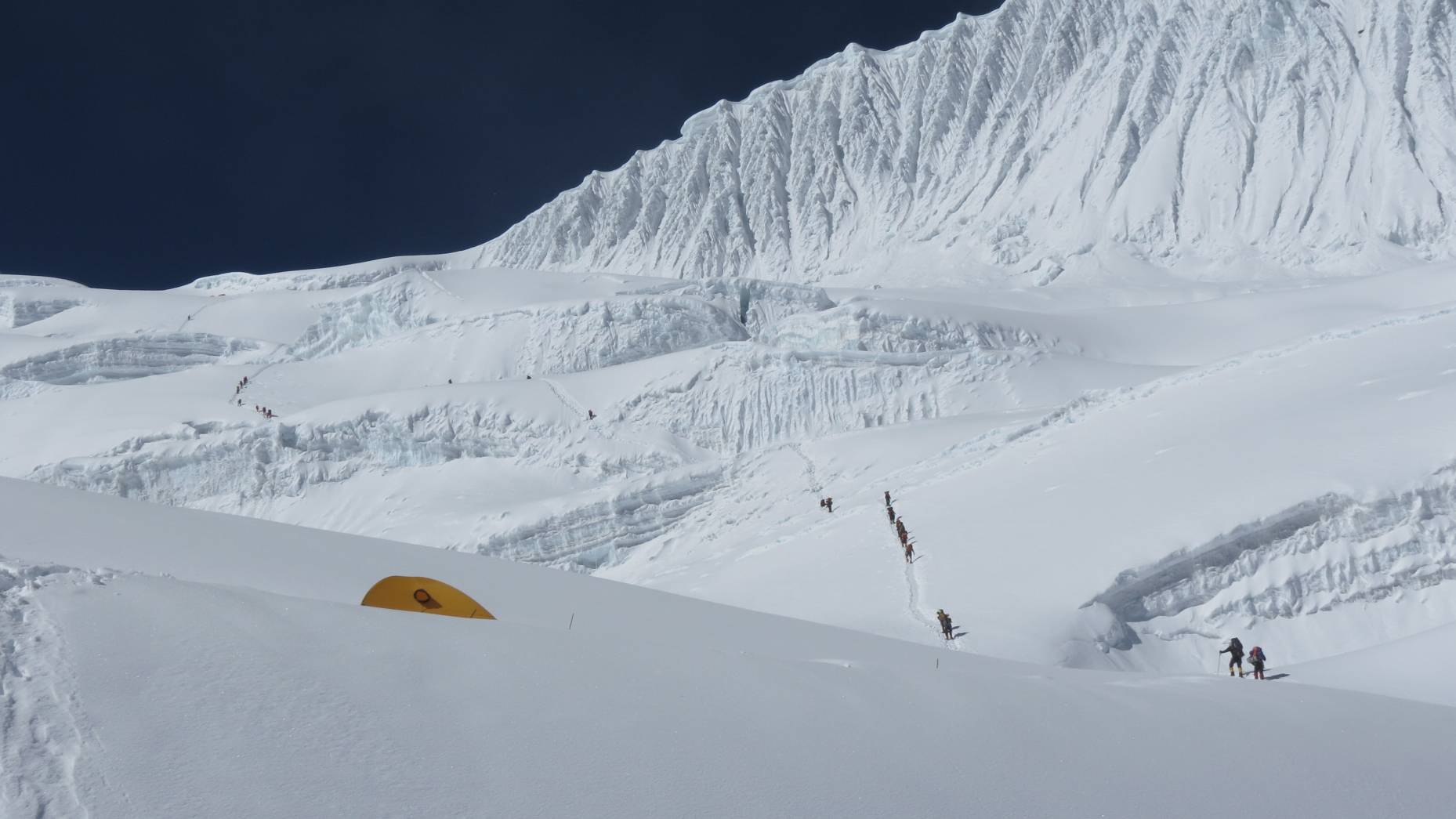
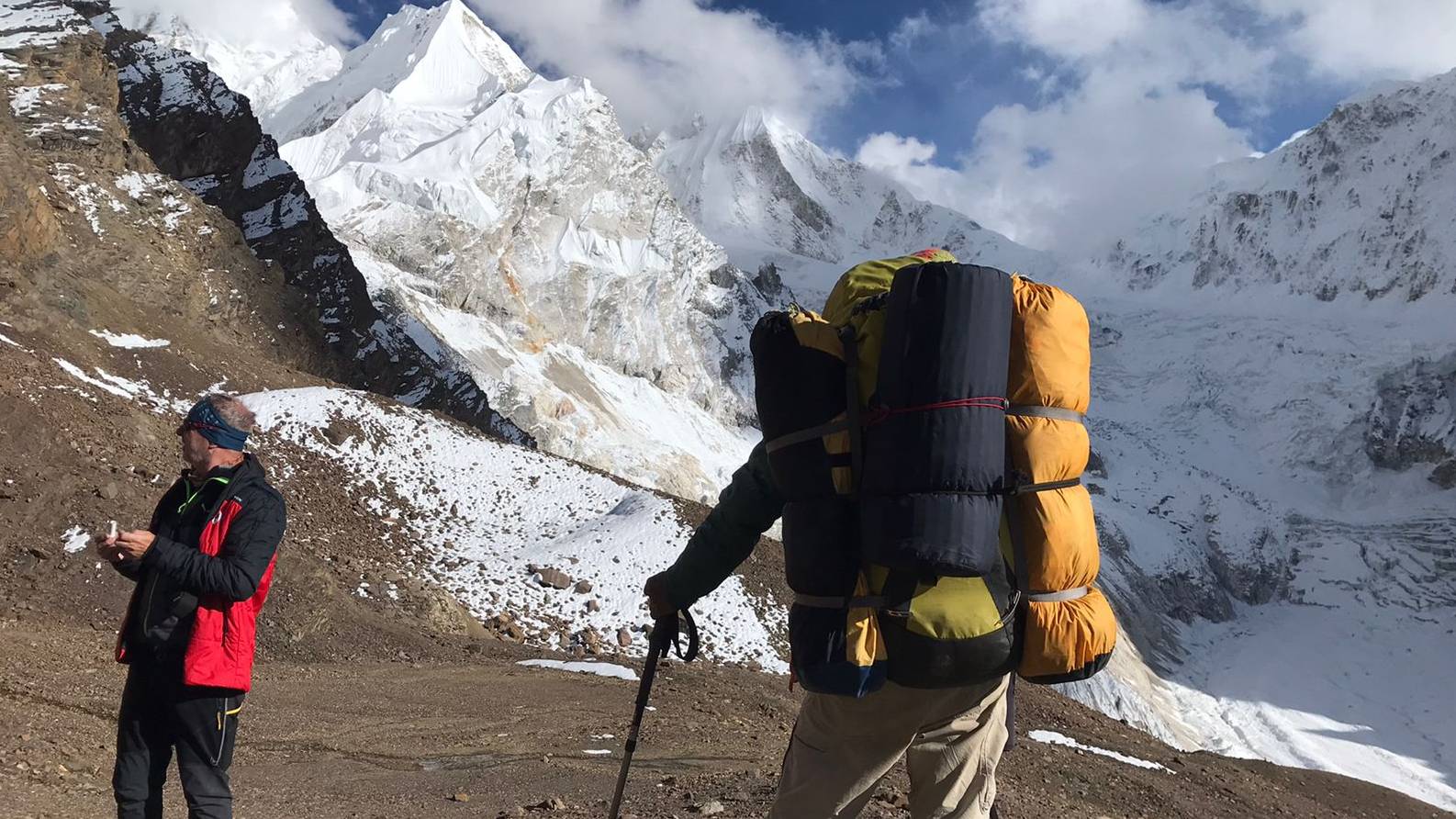
Nepal is home to some of the world’s most breathtaking mountains, drawing climbers from every corner of the globe. Among the most sought-after adventures are the Ama Dablam Expedition, Manaslu Expedition, and Himlung Himal Expedition. Each of these climbs offers a unique blend of challenge, beauty, and cultural immersion, making them top choices for mountaineers seeking unforgettable Himalayan experiences.

The Ama Dablam Expedition is often regarded as one of the most aesthetically stunning climbs in the world. Standing at 6,812 meters, Ama Dablam rises dramatically above the Khumbu Valley, its sharp ridges and hanging glacier resembling a mother’s pendant—hence its name. Though not the tallest peak in Nepal, it demands strong technical skills, especially on its steep rock, ice, and mixed terrain. Climbers are rewarded with spectacular views of Everest, Lhotse, and Makalu. The journey to base camp also passes through traditional Sherpa villages, offering a rich cultural experience alongside high-altitude adventure.

In contrast, the Manaslu Expedition takes climbers to the eighth-highest mountain on Earth at 8,163 meters. Known as the “Mountain of the Spirit,” Manaslu presents a serious high-altitude challenge. While technically less demanding than some other 8,000-meter peaks, it requires excellent physical conditioning and careful acclimatization. The climb features long glacier travel, crevassed terrain, and steep snow slopes. Many climbers choose the Manaslu Expedition as preparation for Everest, as it provides valuable experience above 8,000 meters. The surrounding region remains relatively remote and less crowded, enhancing the sense of true Himalayan exploration.

For those seeking a less commercial yet equally rewarding objective, the Himlung Himal Expedition is an exceptional choice. Rising to 7,126 meters near the Tibetan border, Himlung Himal offers a perfect introduction to 7,000-meter climbing. The mountain is known for its high success rate and moderate technical difficulty, making it ideal for climbers transitioning from trekking peaks to more advanced expeditions. The route involves snow slopes, glacier crossings, and steady ascents, all set against a backdrop of pristine alpine scenery.

Whether choosing the technical elegance of the Ama Dablam Expedition, the high-altitude test of the Manaslu Expedition, or the balanced challenge of the Himlung Himal Expedition, climbers are guaranteed a life-changing journey. Each peak represents not just a summit, but a profound adventure into the heart of the Himalayas.